test
-
General History Of Africa III Africa from the seventh to the eleventh century
Unesco. International Scientific Committee for the Drafting of a General History of Africa The Horn of Africa (P.85) Stage in the development Islam and its dissimination:……. Ethiopia’s relations with the Muslim world by: E. CERULLII (P.575) “The Sultanate of Ifat: The Sultanate of Ifat, which thus succeeded that of Shoa in the hegemony over Islam of Southern Ethiopia, was ruled by a dynasty which had the name (of local origin) of Walasma. They came firstly into Ifat as refugees from the ancient Muslim state of Damut, as Ibn Khaldun testifies. However, the Walasma dynasty also boasted a distant Arab origin and, according to the oral tradition preserved to our times, considered it progenitor to be ‘Akil ibn Abi Talib, brother of Caliph ‘Ali and of Djafar ibn Abi Talib who, as we have seen, had been one of the first Muslims to take refuge in Ethiopia……….” -
Harar: expedition to the Somali and Oromo Countries, East Africa
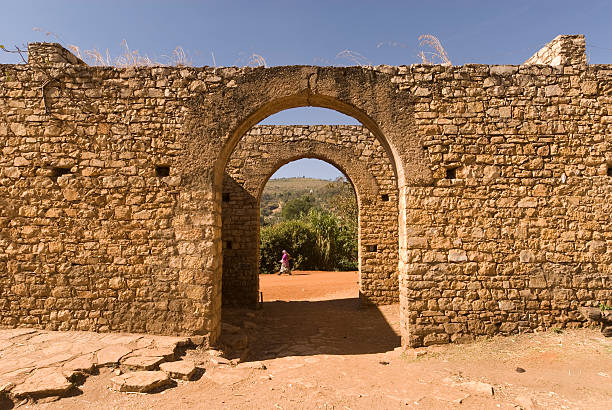
CHAPTER VI. (P.165 – 294) ENTRY IN THE COUNTRY OROMO. BY DSCHALDESSA – HARAR. Check out from Dschaldessa. – Farewell to Ugas. – We pass the Dajerg & l. – The nature of the choirs. – Density of population. – Sheikh Serbej. – The first Oromo Hutten. – Euphorbieulauben. – Indigenous meet us. – Arriving in Bellaüa. – Jüssuf plays with the Wänzelgewehr. – Oromo song and dance. – Climb to the heights of egoé. – Landscape beyond the watershed. – Bloom cattle in the Oromo regions. – Sibillu and Komböltsch. – Funeral customs of the Oromo. – Night camp Dillalöa. – The Oromo believe to see the city of Harar. – Joy at the approaching end of the arduous journey. – IMAX Harar. – A rider brings the first greetings from the city. – Sight of Harar. – Move through the Bab CHAPTER VII. HARA.R AND ENVIRONMENT. The House of the expedition to Harar. – Adoption of the Oromo companion. – Visit to the governor, the British officers Uud in the mission. – Reception with the Emir Abdullähi. – Disrupt the intended trip to the wash-Ha. – Hyena hunts. – Location of the city of Harar. – Physical structure of the same. – Streets, walls and main building. – Number of houses and residents. – Ethnic origin of Hararl. – Their physical condition. – Diseases. – Psychic character. – The climate of the city. – Trade and industry in general. – Government and army. – Priesthood. – History of Harar. – Legendary era. – Advance of Islam. – The location of Hadiah. – The rulers of the house of Omar Walasmah, s. – Fighting against the Ethiopian Empire. – Transfer of residence of the noble Saxon sultans to Harar. – Mohammed Ahmed GRANJE, s campaigns against Ethiopia. – GRANJE, s successor. – Emir Only ben-Mudschähid, s and his family government. – Renewed fighting against Abyssinia. – -
ashura in harar
Sites Ahmed Zekarias Article on ashura and otherauthors in the subject. The Hararies way of celebration of ashura and its link to the feedingof Hyenas is explored. -
Customer Management and Organizational Performance of Banking Sector: A Case Study of Commercial Bank of Ethiopia Haramaya Branch and Harar Branches
The objective of this study is to investigate customer management and organizational performance of Commercial Bank of Ethiopia Haramaya and Harar branches. -
Makhmakha
Book Available For purchase from The Author or Dealer -
Harari wij metfeqer
Kids StoriesBook Available On Purchase from Author or Dealers. -
Harari Qurasach
Will be available in future. Currently in market. -
Harar Architect II of II
Illustrations of Mosques, Shrines , andother important locations and sites. -
Harar architect Part I of II
A compilation Of Harar Architect. Pictorial andGraphical representation of Harar City and its various Buildings, Harari Houses, Mosques , Shrines and other structures. Descriptions are all in Harari Language. -
The Quran
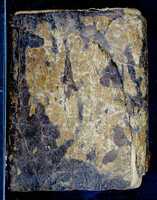
Duke University Manuscript This is a rare copy of a Qur’an from Harar, the pre-eminent centre of Islam in Ethiopia and the capital of an independent emirate form the middle of the 18th century. -

Tarikh Mamalak Al Harar
-
IN-VITRO PROBIOTIC POTENTIAL OF LACTIC ACID BACTERIA ISOLATED FROM ‘WAKALIM’, A TRADITIONAL ETHIOPIAN FERMENTED BEEF SAUSAGE
"Wakalim is a traditional Ethiopian fermented beef sausage commonly produced and consumed in the eastern part of the country mainly among the Harari and Argoba tribes.