-
A colaboration of Everything Harar and Harari Regional Cultural Bureau .....ዳጂራዜ ሀረሪ ኡምመት ኣዯባሕዱንዞ ዋ ራእዪያችዞ ባሕ ዚወልዱ ወልዱሌ ዘትዌረሴው ቁራስዞበሕ ቲጃራ ሐረካችዞ ሩሕዞውመስኪንነትቤ ሞጫሌ ያሻዛል ኢሾታቹው ደግጉስቤ ያሪ ጠለሳችዞው ኢትታ ኩቱብቤ መትዋወዋ መትሚቻቸሌ ተጌበታ፡፡ መኽነዞቤም ሒይያ ዳጂራቤ ኡኹልሐረካ ዛለዩ ባዴሌ ኣቂ ዚተዩ ኣው ኢርነዚፍ ኣው ባብ ሒጋኝ፣ከቢር ኢማን ዘር፣ ኣው ሲነት ሳይ ጊስቲ ዲይ በራካ፣ ጊስቲ ሐሌቆር፣ ጊስቲ ሙሉሕቦር፣ጊስቲ መገስ ቆር ዋ ጌስሲ ሐቅሺራዋ ጌስሲ ሐለጌይ ኢንተዩ፡፡...
-
The mosques of Harar have been the focus of some architectural and historical study but not archaeological investigation. This was redressed through excavation of six mosques in the city, the results of which are presented. These were identified from existing historical research as significant in the Islamization of Harar. Consensus on either the date or processes of Islamization does not exist. The partial history of the mosques investigated—Aw Abdal, Aw Abadir, Aw Meshad, Din Agobera, Fehkredin, Jami—is based on only a few sources. The results of the excavations provide insights into the Islamization of Harar and supplement the limited historical sources. The six radiocarbon dates obtained indicate a varied mosque chronology spanning the late 15th and early 20th centuries AD. Evidence indicative of the use of mosques for educational purposes, local practices such as animal sacrifice and child burial near the mihrab, and for extensive mosque rebuilding, alteration and remodelling was found. Comparable mosques in Djibouti, Somaliland, and elsewhere in Ethiopia are considered. It is concluded that all the Harari mosques investigated post-date the late 15th century and that the city also dates from this era and was linked with the establishment of Harar as the capital of Adal. Prior to this the Hararis, likely in the form of the legendary Harla, were elsewhere, possibly at Harlaa and other sites in the eastern Harar Plateau and Chercher Mountains.
-
…." On the morning of the fifth day after quitting Errur we ar- rived at Harrar, hacTing travelle(l by daily- marches of about 10 miles. We had water at each halting place; and the people we met with were very civil. " I retnained at Harrar and in the vicinity thereof for six years, (luring which period there were several l)attles fought between the Harrar people an(l the Galla, in one of which I was engaged on the part of the Emir, and receie(1 a spear-wound in my right cheek…..
-
The Jihad of Imam Ahmad (1529 1543) was the major turning point in the history of the Christian Kingdom of Ethiopia, the Muslim state of Adal,1 and the history of the Horn of Africa. At the cost of incredible human lives, incalculable cultural and material destruction, Imam Ahmad was able to create a short-lived empire that included most of what are today, Ethiopia, Eritrea, Somali land, and even Southern Somalia up to cape Gardafu, if not to Mogadishu. This was the first forced unification of the Horn of Africa. In terms of uniting the region, creating a centralized administration, Imam Ahmad was the first Muslim Ethiopian leader, who aspired to and temporarily succeeded in creating a greater Ethiopia, in which Islam briefly replaced Christianity as the dominant governing ideology and the religion of the overwhelming majority of the population. The book under review (hereafter Futuh Al Habasa ... is an elaborate, and remarkably detailed, narrative written in Arabic shortly after 1559. Though prone at times to exaggerate and to adopt flowery language, interspersed with poetry, its author was, on the whole, a good and, for the most part, dispassionate observer. He writes largely as an eye witness (p. XVIII). Though Futuh Al-Habasa was well known to scholars conversant in Arabic or French or both since the nineteenth century, this is the first full-scale English translation, which will make the content of this valuable treasure widely available to those interested in the sixteenth century history of Ethiopia and the Horn of Africa.3 We are indebted to Paul Lester Stenhouse and Richard Pankhurst, for the elegant translation and good annotations .....
-
......A special position in the linguistic and cultural panorama of the Islam in the Horn of Africa has been always attributed to the walled city of Harar.16 An independent emirate since 1647 to 1885 and then since 1885 to 1887, Harar saw the birth and the diffusion of a conspicuous literary productionin both Classical Arabic and Harari. Manuscripts containing texts in these two languages have been copied and produced in town. Old Harari manuscript literature is attested since the 18th century.17 The manuscripts in Harari, written in Arabic script,......
-
……As yet, the relationship between Harar and Harlaais unclear. This will be better established once the
AMS dates from Harlaa are received and considered. Currently, the earliest AMS date from Harar is from the Emir’s Palace excavation, PAL 14 (A) (cf. Insoll et al.2014). This is of Cal AD 1431-1476 (2 Sigma calibration; GX-33812; PAL 14 [A] 7), and indicates that Harar was certainly established by this date. Currently, the imported glazed ceramics of the 12th to 14th centuries AD from Harlaa suggest that this site predates Harar, though earlier material may be recovered in future excavations in Harar.
-
A Thesis Submitted to the Department of Linguistics For the Partial Fulfillment of the degree of Master of Arts (Linguistics, Philology-Arabic)
-
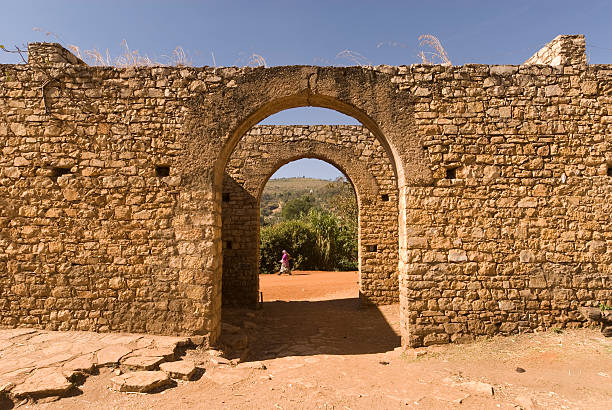
Historic buildings have a lot of contributions to the development and prosperity of a city. The primary contribution of these historic buildings is to provide the city’s historical information such as past events, continuity of change through time, periods of ascendancy of remarkable events, or ruptures in the urban fabric as a result of conflict or transformation. In this thesis, the writer attempts to carry out an investigation on Harar Jugol aged traditional houses by studying the characteristics of the original materials used to construct the houses and by examining the maintenance work being carried out at present. These two major objectives show the importance of these historical buildings in its historical and current contributions.
-
The objective of the study is to reconstruct the history of Derbé Belanbel historical and cultural site. This is very crucial because though the historical and cultural site in question played a significant role in revealing the history and the tourism industry of the Region and by extension the history of the country; scholars have not given the attention it deserves so far. In the process of reconstructing its history, we came to realize that no scholar has studied the site before. Derbé Belanbel is located in Dhuhun wereda of Nogob Zone of the Ethiopian Somali Regional State. It is far from the town of Jigjiga, the administrative center of the Region, by about 450 kilometers in its southern direction. Methodologically the researcher mainly used the qualitative method and culled data from secondary literature but the study heavily relies on field observation and information gathered from knowledgeable informants. As far as we have tried to establish, Derbé Belanbel was a medieval center of culture and civilization of the Harla Somalis characterized by stone built houses, steles, and a Mosque that appropriately suggest a religious settlement. The stone built houses are similar with those located in the Harar, Dire Dawa and Zeila areas as well as with those located in the northern parts of proper Somalia. Though differences in the softness and hardness of the surfaces of the materials used in their productions and the artistic elements we see in them, many of the steles found at Derbé Belanbel display interesting geometric similarity with the Ţiya steles located in the Guraghe Zone of southern Ethiopia. Fragments of pottery, grains of beads, and fragments of glasses that we recovered from the very site suggest the people were skilled in the preparation of household materials from clay soil and had established commercial link as far as the port of Zeila in the northwest and Mogadishu in the east. Overall, though the site is found in a precarious condition owing to lack of attention by the concerned bodies, Derbé Belanbel represented a medieval culture of greater importance, which would immensely contribute to the history of the Ethiopian Somalis and for the growth of the tourism industry of the Regional State.
-
An Extract from Man Journal
-
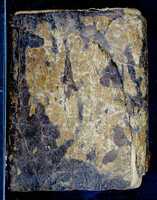
Arabic books were brought to Harar from several parts of the Moslem world, and were copied there. In this manner, an important book culture and scribal tradition developed in the town (cfr. Wagner 1997 b, pp. ix ff.) and are still alive today, albeit in an impoverished context where many old manuscripts have been lost or destroyed, and good writing materials are scarce.
-
....The city of Harar has too overgrown, beyond my imagination, not inside the old walled part of the city where I have stayed, but outside of it. Among unrecognizable landscapes of the city is the Aw Hakim hill. It became thick with little villas, green shuttered, colorful roofed houses, apartment buildings and roads. In the alleyway, I met my childhood friend....